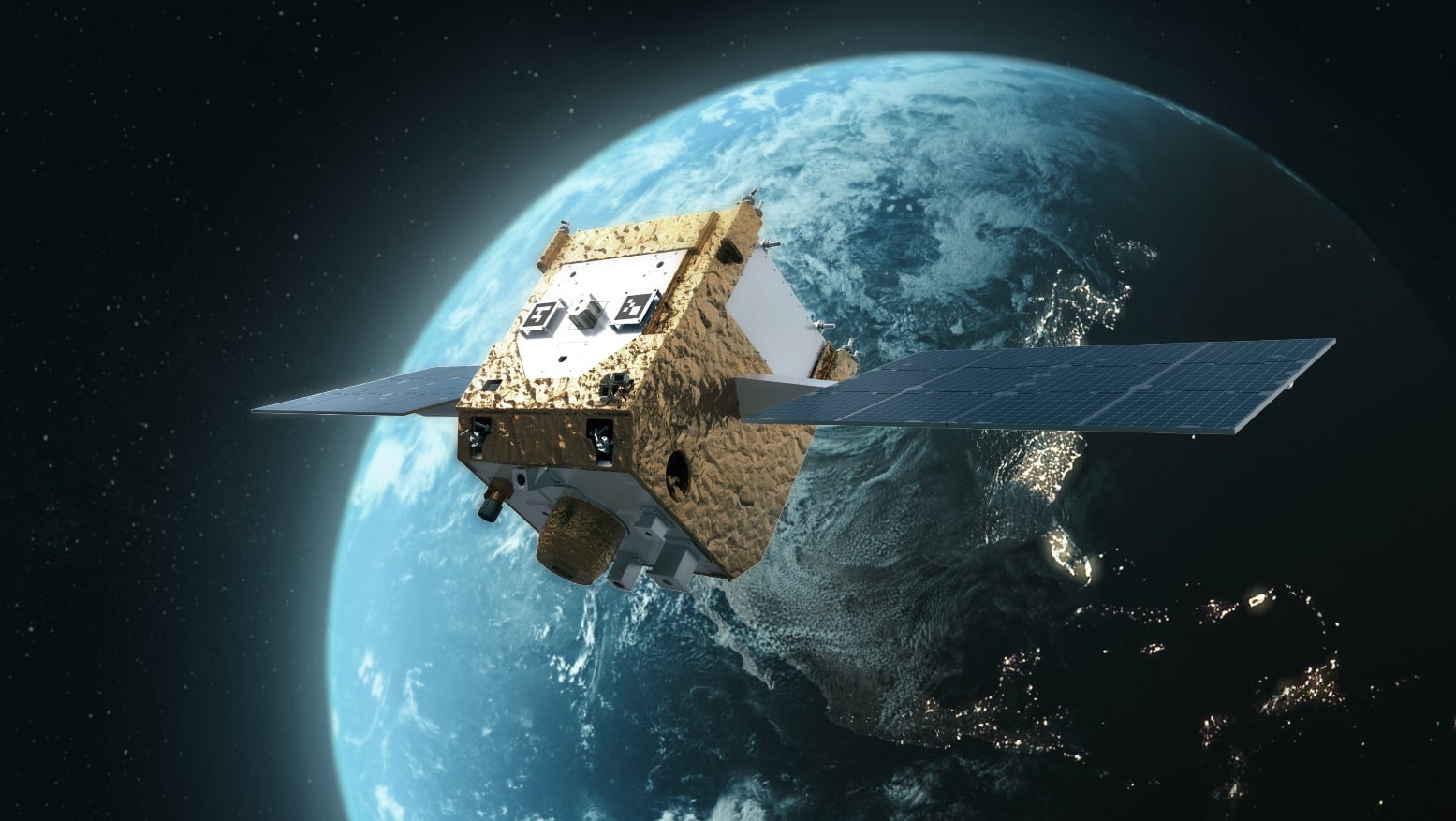
In a first, Space Force to require refueling capability for next-gen neighborhood watch sats
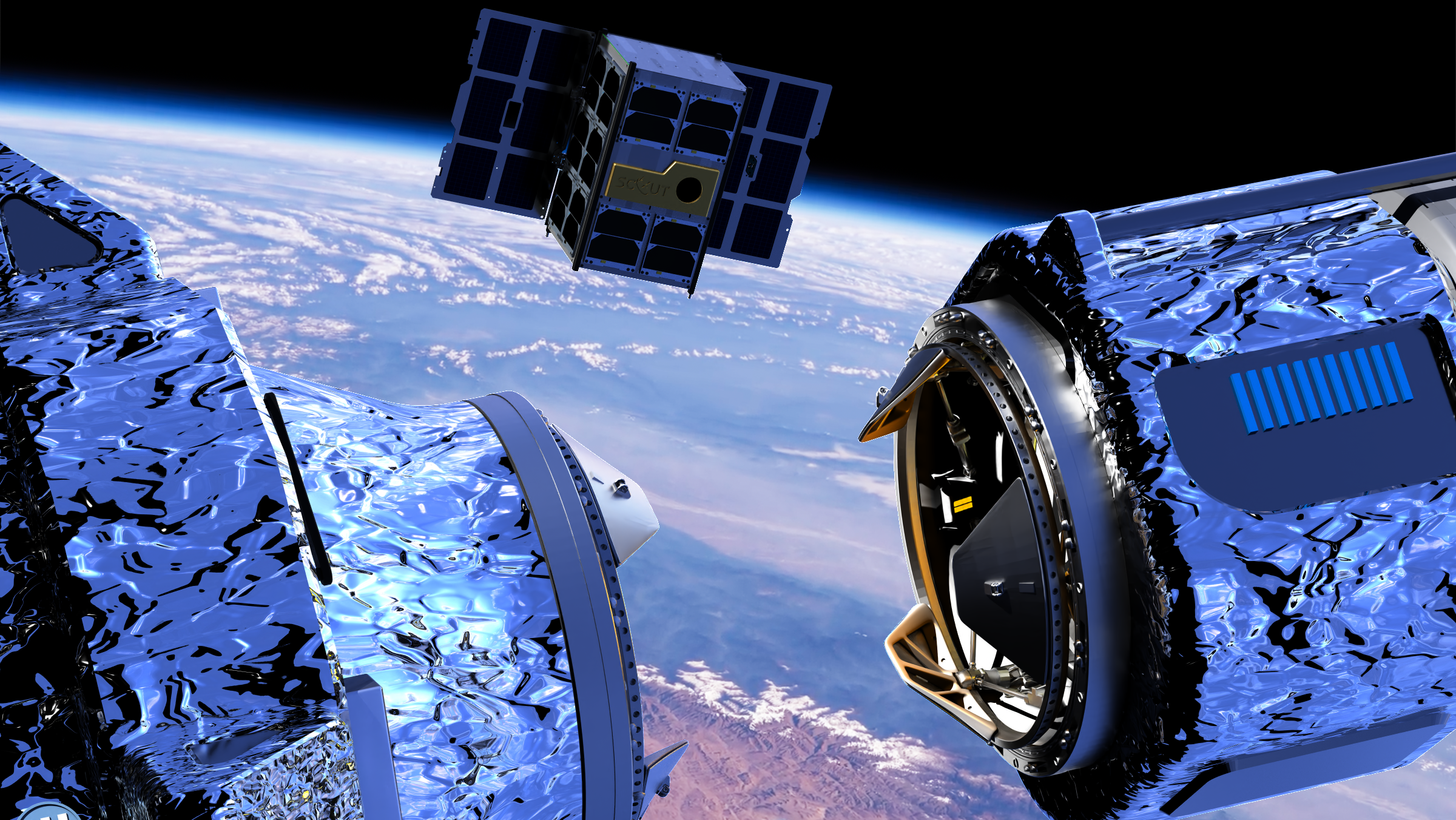
While the Pentagon has funded experimental re-fueling efforts, RG-XX is the first official acquisition program to have a refueling requirement.
On the eve of the third annual Space Mobility Conference here, supporters of Defense Department investment in technologies to enable what SPACECOM calls "dynamic space operations" are facing a recent cooling of near-term interest from senior Space Force officials.
"The three new rules ... recalibrate our approach to export controls," a senior Commerce Department official said. "These changes will offer relief to US companies and they'll increase innovation without compromising the critical technologies that keep our nation safe."
The BRIDGES project is Scout's first with DARPA, but the company's SDA-related software and hardware — including its "plug and play" optical sensor packages designed as hosted payloads — already have caught the eye of Space Force officials.
"I think the US national security community is going to shape commercial space for the foreseeable future," Carissa Bryce Christensen, CEO of BryceTech, told Breaking Defense.
Lars Hoffman, Blue Origin's vice president of national security sales, said that a viable commercial market for space mobility and logistics "doesn't exist right now."
"We can't expect to bridge the valley of death through S&T programs, and industry accelerator programs. ... We need to identify and prioritize resources, funding and personnel," said Diane Howard, National Space Council head of commercial space policy.
The Mitchell Institute is advocating that from now on Congress bolster the Space Force's budget by "about $250M a year" and "increase end strength by approximately 200 personnel for the new responsibilities associated with emerging national interests on the moon and the cislunar region."
The Space Force has made some visible progress in its "pivot" towards resiliency, but acquisition reform remains a hard slog.
"This oversight regime will balance economic competitiveness together with safety, security, sustainability, and responsibility," states the new United States Novel Space Activities Authorization and Supervision Framework.
Explore how networked warfare, AI, and 3D-printed drones are reshaping US Indo-Pacific strategy.
"In a sense, we drive our satellites today as if we're going to church. Our adversaries drive their satellites as if they're going to combat," Lt. Gen. John Shaw, who recently retired from US Space Command, told Breaking Defense in this Q&A.
"Telling me: 'I'm creating a monster, but putting it in your closet,' still means I have a monster in my closet. And I'd really rather not have a monster in my closet," an industry representative told Breaking Defense.
The Biden administration's plan came, in part, in response to a different congressional proposal about how to divvy up heavenly authorities, sources told Breaking Defense.
"Right now, the position of my combatant commander is: 'I wanna move, I wanna refuel, I wanna have life-extension and I wanna live'," SpRCO Director Kelly Hammett told Breaking Defense.